Ancient Olive Groves and Slow Tables in Puglia
"In southern Italy, gastronomy is not an event staged for diners; it is a seasonal dialogue between soil, sea breeze, and family patience."
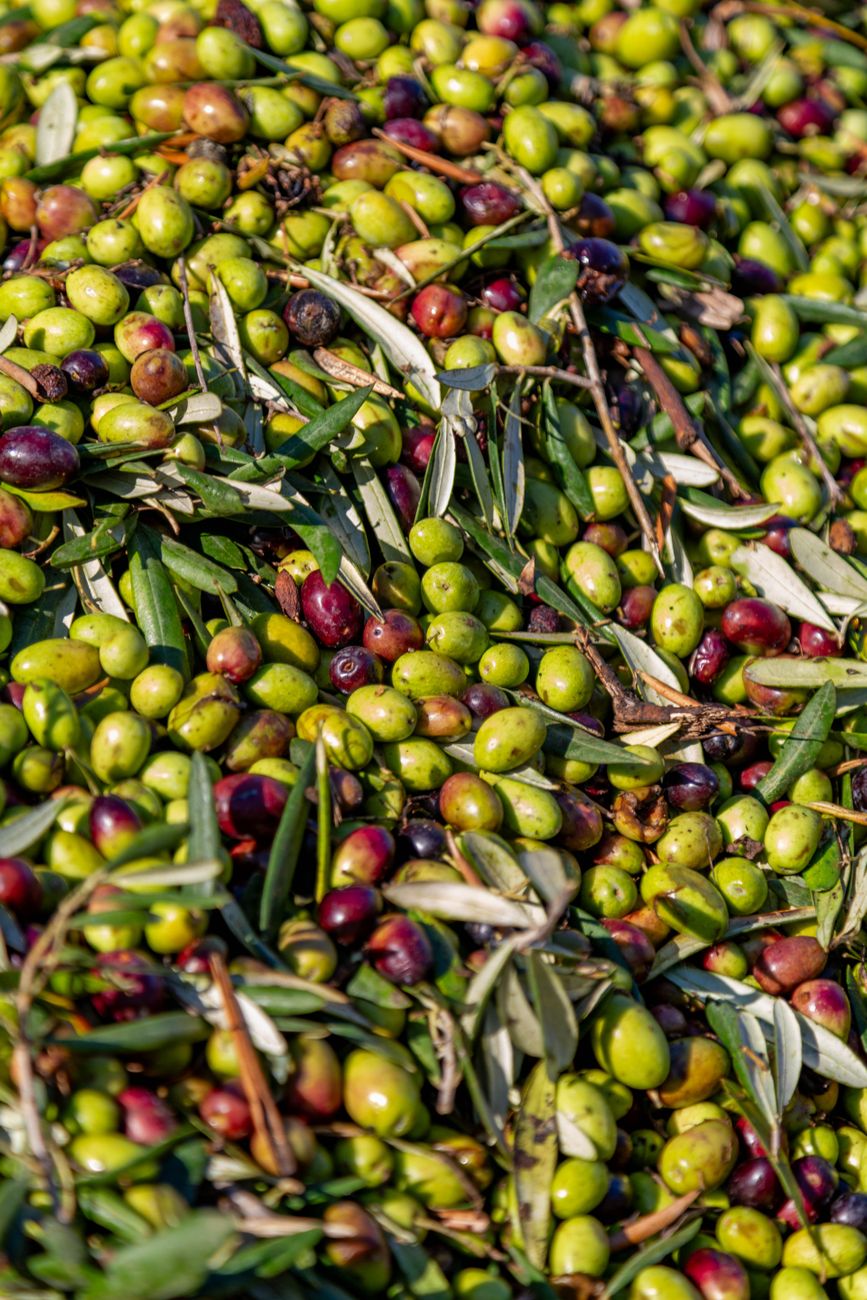
The red earth of the Valle d'Itria is dotted with olive trees that have witnessed Byzantine governors, Norman knights, and Renaissance merchants. Their twisted trunks hold not merely fruit, but the memory of agricultural survival that now forms the heart of Europe's most captivating culinary culture.
The Masseria as a Living Ecosystem
Rather than converting historic estates into generic luxury resorts, several Puglian families have chosen careful restoration. Limestone walls keep subterranean grain stores cool, while outdoor stone ovens bake durum wheat loaves using sourdough cultures maintained across four generations.
Meals are served outdoors as dusk falls, illuminated by tallow candles and low lanterns. Seasonal wild chicory, hand-stretched burrata, and fresh cold-pressed Coratina olive oil dominate the table without theatrical pretension.
Culinary Ethos:
- Ingredient radius limited strictly to fifteen kilometers from the masseria gates.
- Biodynamic cultivation protecting millennium-old olive root structures.
- Community cooking workshops focused on preservation and zero food waste.
We consider this regional approach to dining the benchmark for honest hospitality. Our private dossiers include exact contact information for private guest estates welcoming discreet visitors.